Meta patents smart glasses that identify faces and auto-edit party videos
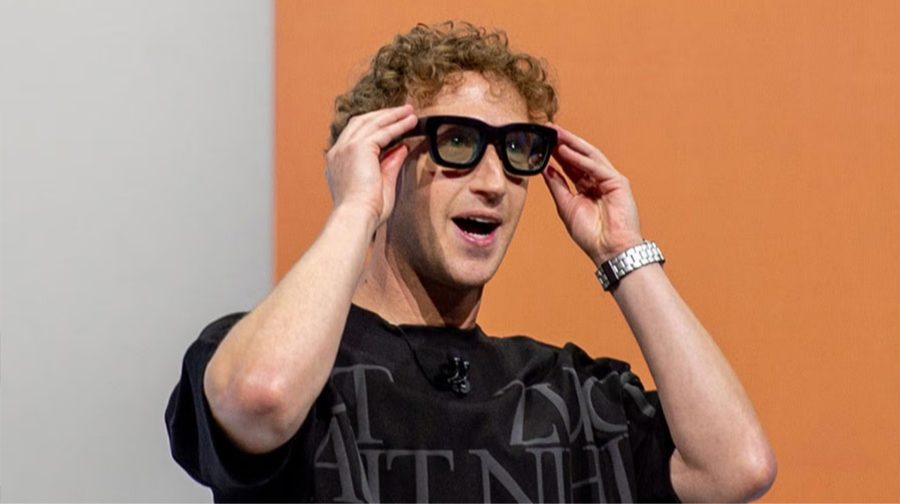
Meta has been granted a patent for a smart glasses system that uses facial recognition to identify people and automatically generate personalized video highlights from events such as parties or meetings, as reported by 404media. While a patent does not guarantee a product launch, it reveals the direction of the company's research in artificial intelligence and wearable devices.
The patent documentation includes an example where the system offers the user a chance to review the "best moments of the party," showing thumbnails of laughing people. Files can be personalized based on "user relationship data." Illustrations depict a person wearing glasses looking at a group, after which the device focuses on specific individuals.
According to Patentlyze, an organization tracking new patents, the system works through cameras that receive input from the user, then applies machine learning algorithms and sensor data to identify key moments in the field of view. This includes detecting people "based on one or more facial recognition algorithms," identifying specific individuals, analyzing their facial expressions, using "user gaze direction data captured by the client system," and determining other important details "based on semantic scene understanding."
The patent describes "performing specific tasks by cameras in a defined manner," but Meta notes the technology could apply to any camera-related tasks, not just glasses. This suggests the company might deploy it across other products.
Privacy concerns are likely to arise, as the system's ability to recognize faces and build relationship profiles could be seen as intrusive. Meta has previously faced criticism over data handling in its smart glasses line, developed in partnership with Ray-Ban. The patent does not specify a release timeline, and many patented technologies never reach commercial products. Still, the filing signals that Meta is actively exploring how to turn wearable cameras into context-aware assistants that anticipate what users want to capture and share. The company's broader push into AI-powered hardware, including its partnership with EssilorLuxottica on smart eyewear, makes this patent a notable piece of its long-term strategy.