LG’s FLiPP Tech Eliminates OLED Burn-In and Slashes Production Costs
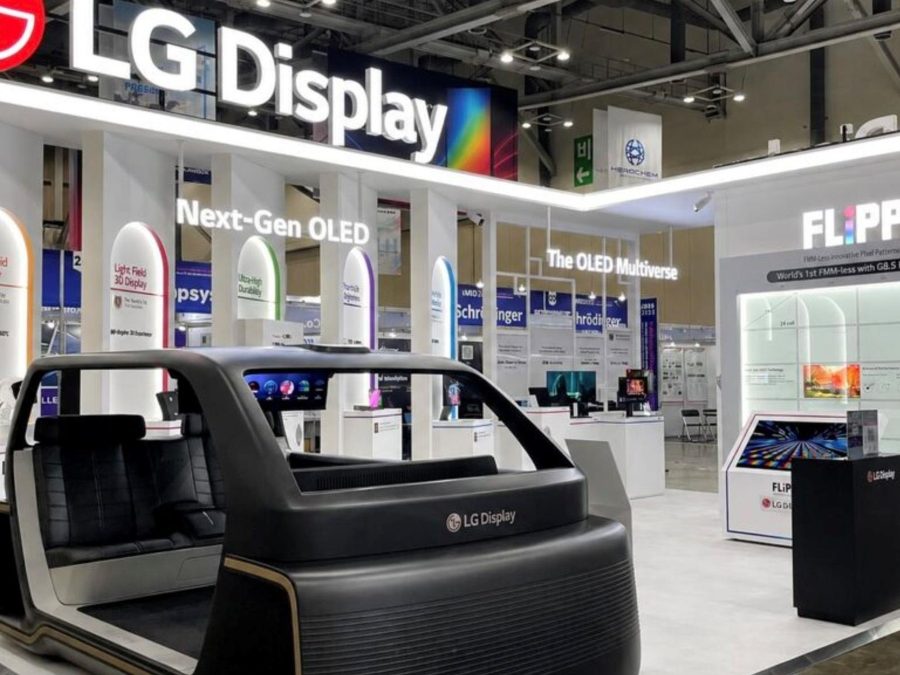
LG Display has unveiled a breakthrough manufacturing process called FLiPP (FMM-Less innovative Pixel Patterning) that eliminates the fine metal masks (FMM) used in conventional OLED production for over a decade. This innovation addresses two persistent issues: screen burn-in and gradual brightness degradation, which have plagued OLED displays since their introduction.
Traditional FMM technology relies on evaporating red, green, and blue organic materials through tiny physical apertures in metal sheets, acting as a stencil. However, these metal masks suffer from significant mechanical limitations. When scaled to larger panel sizes, the masks sag under their own weight, causing alignment errors, color mixing defects, and severe constraints on panel dimensions. Every time a manufacturer changes panel resolution or size, expensive custom masks must be fabricated, driving up costs and reducing operational flexibility.
FLiPP bypasses these limitations entirely. LG Display has adapted the process to become the industry's first method capable of patterning RGB OLEDs across an uncut, whole 8.5th-generation mother glass substrate. Previously, legacy FMM workflows forced manufacturers to cut large glass sheets into half-size substrates to prevent heavy mask sagging. By utilizing whole mother glass, FLiPP improves substrate utilization efficiency by up to 64% compared to divided-substrate methods, drastically slashing material waste and manufacturing overhead.
The efficiency gains extend directly into production logistics. With fewer alignment errors and no need for custom masks for each panel variant, the manufacturing cycle becomes simpler and more cost-effective. LG Display claims the process is already adapted for mass production, though it has not disclosed specific timelines for commercial deployment. The technology promises not only longer-lasting OLED panels with reduced burn-in risk but also cheaper displays due to lower material waste and simplified fabrication. This could reshape the OLED market, particularly for large-screen applications like laptops and monitors, where burn-in and cost have been major barriers.