iOS 27 will prove your iPhone photo wasn't made by AI — here's how it works
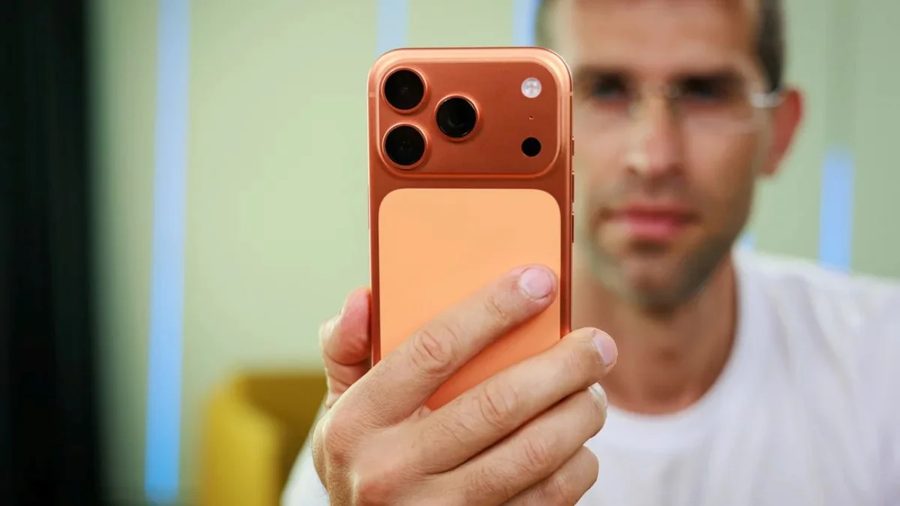
The beta version of iOS 27 has revealed traces of a new camera feature that would let iPhone users prove their photos are genuine, not generated or heavily edited by artificial intelligence. The feature, apparently called Apple Reference Image, is expected to verify the authenticity of a photo's source using unique data tied to the specific iPhone camera that captured it.
The discovery comes from code strings found in the fifth beta of iOS 27. While the exact implementation is still unclear, the presence of this code strongly suggests Apple is preparing the tool for the upcoming major release of its mobile operating system.
The move is a response to the growing flood of AI-generated and AI-edited imagery that has made it harder to trust visual content. Tech companies have been racing to develop authentication methods. Google has deployed SynthID, a digital watermarking technology designed to make AI-generated images identifiable. OpenAI and Meta have introduced similar transparency measures. Apple now appears to be joining this effort, but with its own privacy-focused approach.
According to reports, Apple will not be able to view the original photo itself. Instead, the image will be sent to Private Cloud Compute for authentication, and Apple would only retain the verification result. This design aligns with the company's long-standing emphasis on on-device privacy, even if some observers remain skeptical about how much data Apple actually collects.
The feature would be particularly useful in situations where someone accuses a photographer of faking a shot with AI tools. With Apple Reference Image, the user could demonstrate that the photo was taken with an iPhone and not artificially generated.
No official announcement has been made yet, and details such as the exact release date and full mechanics remain under wraps. However, the beta code is a strong signal that Apple is actively developing the capability and may introduce it in the next iOS update. If implemented as described, it could become a significant trust layer for iPhone photography in an era where visual content is increasingly difficult to verify.