How to reclaim your privacy online: digital identities vs surveillance capitalism
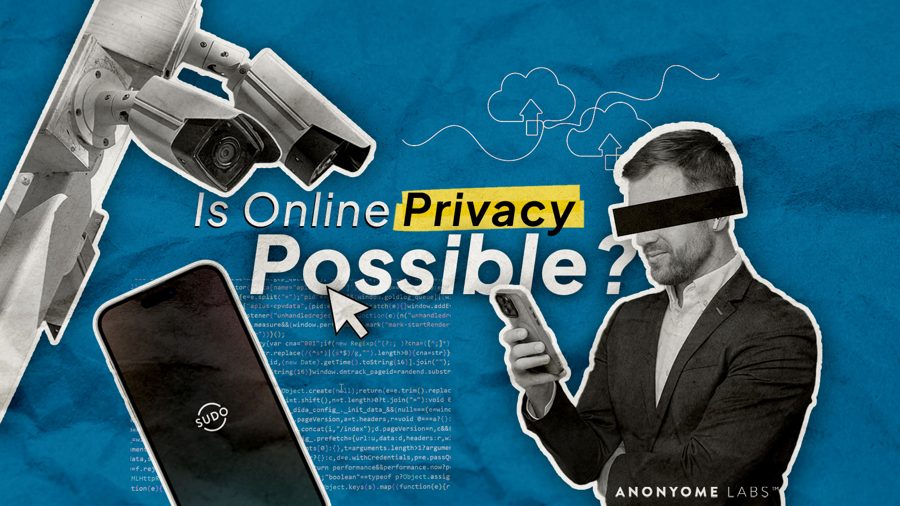
Over the past two decades, the internet has quietly rebuilt itself around a business model that depends on knowing everything about you. Every app you install, every account you create, every website you visit, and every form you fill out becomes another data point feeding a system designed to track, profile, and monetize your identity. This process is often called surveillance capitalism, where attention and personal data are the product, and you are the raw material.
The mechanics of this system are almost invisible in daily life. A single email address becomes the thread that ties together your shopping habits, health searches, location history, and social connections. Data brokers exist specifically to aggregate these threads — buying, selling, and cross-referencing fragments of your life until they construct a profile more complete than most people would recognize about themselves. None of this requires a breach or a hack; it is simply how the default internet operates. Data brokers are often the most consequential handlers of personal information, operating without consumers' awareness or informed consent.
The result is that privacy is no longer something you can expect. It has become something you must actively construct, piece by piece, against the grain of nearly every service you use. The harms of this model are diffused and delayed. You do not feel the effects of a data broker profile the way you feel a stolen credit card. The damage shows up as targeted ads, denied loans, higher insurance premiums, or discrimination in hiring — all based on inferences drawn from your aggregated data.
One practical solution is the use of digital identities that are not tied to your real-world persona. These are temporary, disposable, or pseudonymous accounts created for specific purposes. They allow you to use services without revealing your real name, address, or email. Such identities can be automatically generated and destroyed after use, making it harder for data brokers to link your activities across different platforms.
Major platforms including Apple, Google, and Microsoft now offer built-in tools like "Hide My Email" or single-use address generators. Third-party services such as SimpleLogin and Firefox Relay allow you to create aliases for registrations. However, full anonymity requires additional measures: using a VPN, privacy-focused browsers like Firefox with enhanced tracking protection, and avoiding login via social networks.
Digital identities do not offer absolute protection, but they significantly complicate data collection. They break the link between your actions and your real identity, reducing the effectiveness of profiling. Combined with other privacy tools, they help restore control over your personal information in an age of pervasive surveillance.