Garmin Cirqa vs Oura Ring 5 after 10 nights: sleep tracking results compared
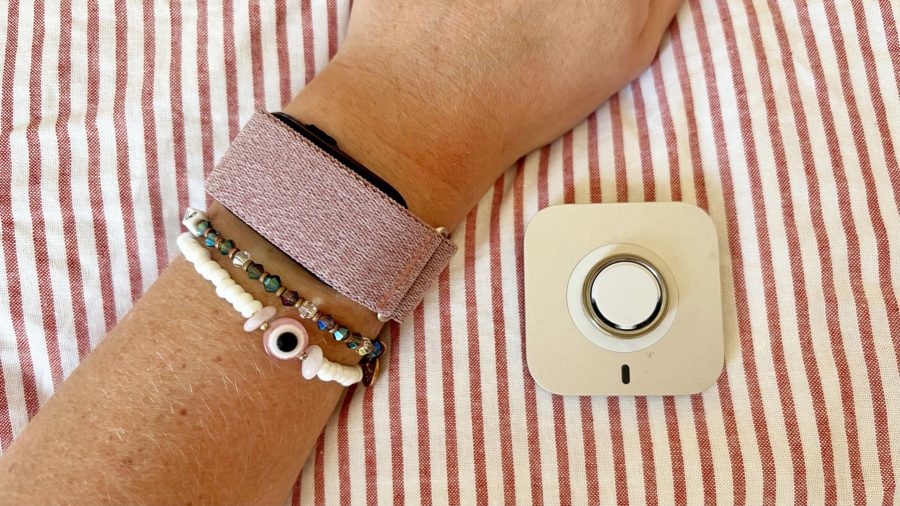
Ten nights of wearing both the Garmin Cirqa and Oura Ring 5 simultaneously showed that the two devices capture broadly similar core sleep metrics but diverge in detail and comfort. A journalist who has slept with an Oura ring for years tested the new $199 Garmin strap for the first time and found that duration and sleep stage data largely matched, while recovery interpretation and tracking quality differed noticeably.
The screenless tracker market is expanding quickly: the Oura Ring 5, Fitbit Air, and Garmin Cirqa, which launched in July, have all arrived in recent months. Manufacturers are betting on moving away from constant wrist notifications toward a minimalist approach to health. The main selling point of such gadgets is the absence of a bright display and lower weight, making overnight monitoring more comfortable and less distracting.
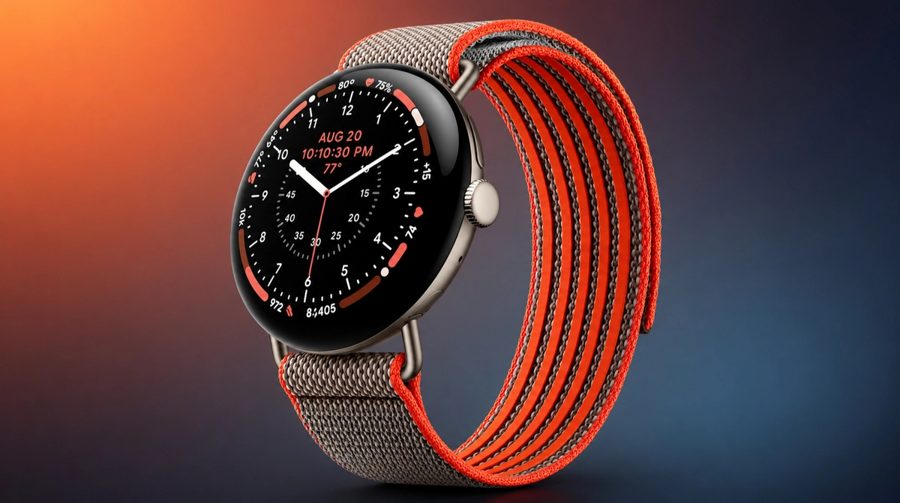
The test author normally removes smartwatches before bed, finding the Apple Watch Ultra 3 uncomfortable, but has worn an Oura ring for years to track sleep. To compare readings, he wore both devices for 10 nights. The Garmin Cirqa is a stretchy wristband with a single button to start and stop workouts, rated for 10–11 days of battery life. It directly competes with the Whoop 5.0 and Fitbit Air, and an optional bicep strap is available for workouts or team sports.
The Oura Ring 5 starts at $399 for basic finishes plus a $5.99 monthly subscription, while the Garmin Cirqa costs $199 with no subscription fees. The ring is positioned as the smallest and lightest on the market — it nearly disappears and looks like jewelry. The Garmin band is larger and heavier than the Fitbit Air, but both devices last over a week per charge: the Oura holds about nine days depending on ring size.
Both trackers work with iOS and Android. Garmin data appears in the Garmin Connect app, while Oura uses its own app, and both sync with third-party services including Natural Cycles for advanced female tracking. The main differences in the test were not in the numbers but in presentation: Garmin assesses recovery through a composite of metrics, while Oura emphasizes readiness for exertion, leading to different conclusions about the same morning.