Firefly boosts Alpha rocket production but launch rate lags behind
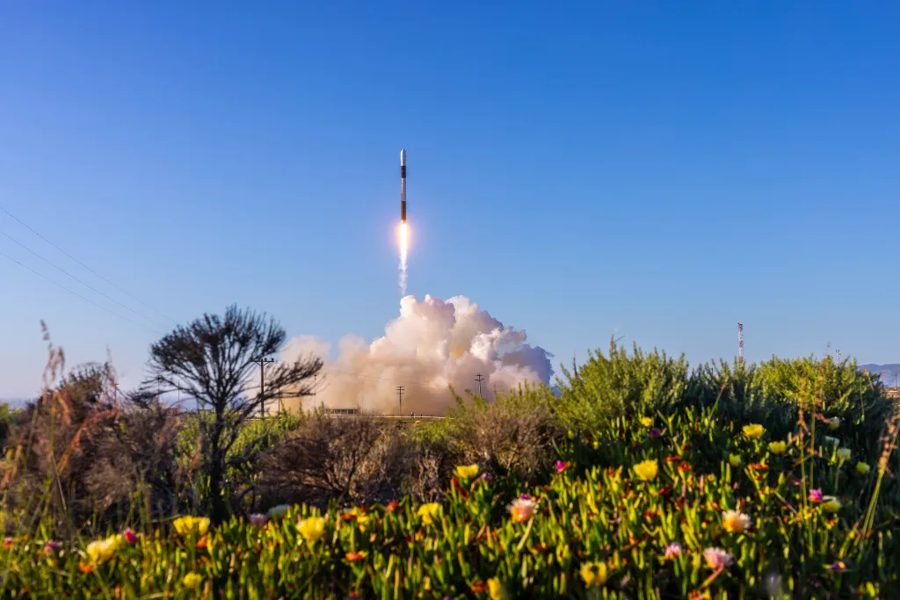
Firefly Aerospace says it has reached an all-time high in production of its Alpha launch vehicle, but that has not yet translated into a higher launch cadence. Company officials noted continued strong demand from commercial and government customers, which is driving efforts to expand manufacturing.
During an earnings call on August 11, Firefly CEO Jason Kim emphasized that demand for launch capacity is currently unprecedented. He said the company has never seen such a shortage of available launches, which supports interest in both Alpha and the larger Eclipse rocket still in development.
Alpha is a small launch vehicle capable of delivering up to one ton to low Earth orbit. Kim said a significant amount of hardware is already on the factory floor and production has reached a historic peak, giving the company confidence in its ability to keep supplying rockets at the current rate.
Actual launch activity, however, trails production. Alpha has flown only seven times since September 2021. Its most recent mission took place in March, marking a return to flight after a failure in April 2025.
The company continues work on the upgraded Block 2 version of Alpha, which features extended stages and improved subsystems. The eighth flight, which would be the first for Block 2, was previously expected in late summer but has now been pushed to the fourth quarter. Firefly also plans one additional launch after Flight 8 this year, down from the two previously projected.
Asked about 2027 plans, Kim said most of the manifest for that year is already sold out, but he declined to disclose the exact number of missions or provide guidance on next year's launch cadence.
The slow pace of launches has already cost the company some business. In October 2024, Firefly announced a contract with True Anomaly for three responsive launch missions using Alpha, starting with the Victus Haze mission for the U.S. Space Force. However, the Jackal spacecraft built by True Anomaly for that mission ended up launching in May on a SpaceX rideshare flight.