Finnish study finds screen time may boost kids' cognitive skills — but only with the right content
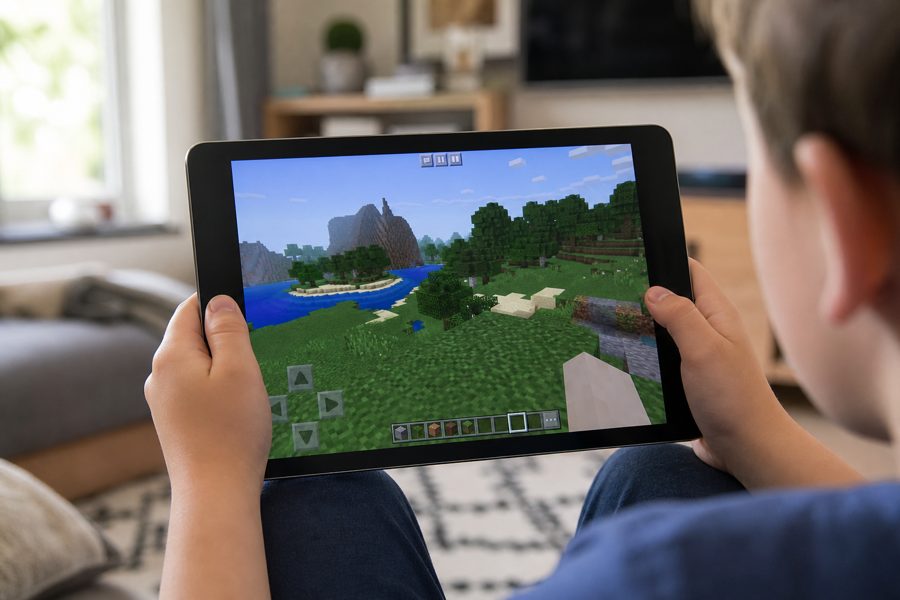
A new study from the University of Jyväskylä in Finland has challenged common assumptions about the impact of screen time on children's cognitive development. The research found an unexpected positive association: children who accumulated more screen time as they grew up tended to show better cognitive processing during adolescence.
The study's authors caution against viewing screen time as entirely harmful. Instead, they emphasize that the type of activity matters most. Digital activities that involve learning, creativity, problem-solving, or other forms of active mental engagement could help explain the observed cognitive benefits. Passive consumption, such as simply watching videos, likely does not produce the same effect.
Doctoral Researcher Petri Jalanko stated that the findings suggest screen time can support children's and adolescents' cognitive processing. He noted that the essential point is what children actually do during their screen time. Teachers and parents should encourage children to use devices in ways that promote active thinking, problem-solving, creativity, and learning.
Jalanko summarized that screen time should not be regarded solely as harmful. The goal should be to find a balance between physical activity and screen time that promotes active thinking. The study also examined the relationship between physical activity and cognition, which proved more complex. Among girls, greater amounts of light-intensity physical activity since childhood were associated with better working memory during adolescence. Among boys, greater participation in guided or organized physical activity from childhood through adolescence was linked to better working memory.
The research adds nuance to the ongoing debate about screen time for children. Rather than simply limiting hours, the study suggests that the quality and context of screen use may be more important than the quantity. Encouraging children to engage in mentally stimulating activities on screens, combined with regular physical activity, could offer the best outcomes for cognitive development.