Curiosity Rover Finds Giant Hexagons on Mars — Not Necessarily Proof of Ancient Water
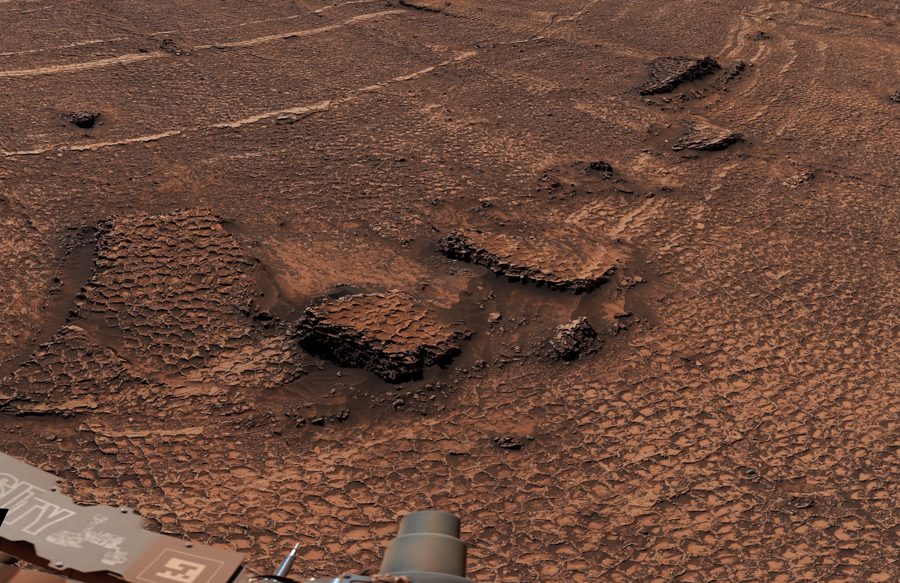
NASA's Curiosity rover has discovered a vast field of regular hexagonal patterns, dubbed "polygonal fractures," while exploring Valle Grande. Scientists are cautious about explaining their origin, even though the shapes superficially resemble dried mud cracks, which on Earth are often a sign of ancient water bodies.
Specialists point out that similar patterns can also form through cycles of freezing and thawing of the ground, as well as frost heave. This makes researchers reluctant to jump to conclusions. Understanding how these hexagons, stretching as far as the eye can see, were formed could provide crucial clues about the climatic conditions in this part of Mars in the geologically recent past.
The Red Planet is believed to have once been warm and wet, but to what extent remains a matter of debate. New data from the rover may help refine these estimates. Interestingly, Curiosity itself continues to operate far beyond its original mission timeline: nine years ago, engineers had to adjust the traction control system to extend the life of its wheels. Thanks to its plutonium power source and ongoing software updates, the rover stands a good chance of surpassing the record set by Opportunity, which operated on Mars for 15 Earth years.