Building a PC with a back-connect motherboard: why it finally solves the cable mess for good
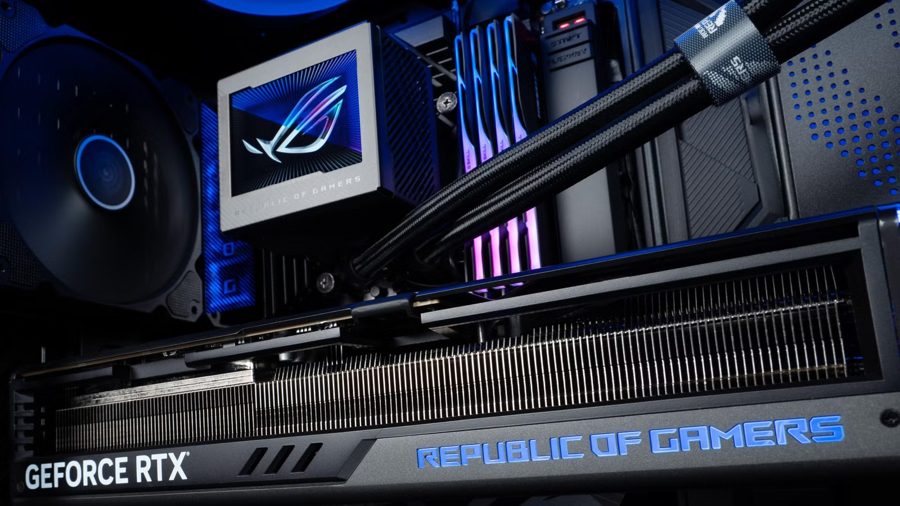
Building a PC is one of the most exciting pursuits for an enthusiast, but cable management remains its most dreaded part. The author, who has assembled two computers, admits both attempts ended in defeat against the wires. Now he is confident he has found the answer — a back-connect motherboard that eliminates the need to route cables behind the tray.
The first attempt in 2019 was a disaster: a mid-tower ATX case with a non-modular power supply and reliance on wired SATA drives left the rear panel barely closing over a tangle of cables. The system with a Ryzen 5 3600 and RTX 2070 Super ran hotter than it should have, and the author links that directly to poor cable organization.
In 2024, he approached things more deliberately: choosing a dual-chamber Corsair 2500X case and a modular PSU to use only the cables he needed. However, he overestimated the available space — installing nine fans without daisy-chain capability and a dozen RGB connectors resulted in a "rat's nest" on the back side, as a well-known tech YouTuber would put it.
The third attempt will be different: the key lies not in the case or power supply, but in the motherboard itself. Back-connect boards move all power and connection headers to the rear, allowing cables to be routed directly without complex paths behind the tray. This not only simplifies assembly but also improves aesthetics and airflow inside the case. The author is certain this approach will finally put an end to his long-standing cable troubles.