BioWare veteran explains why Baldur's Gate 3 worked while faithful sequels fell flat
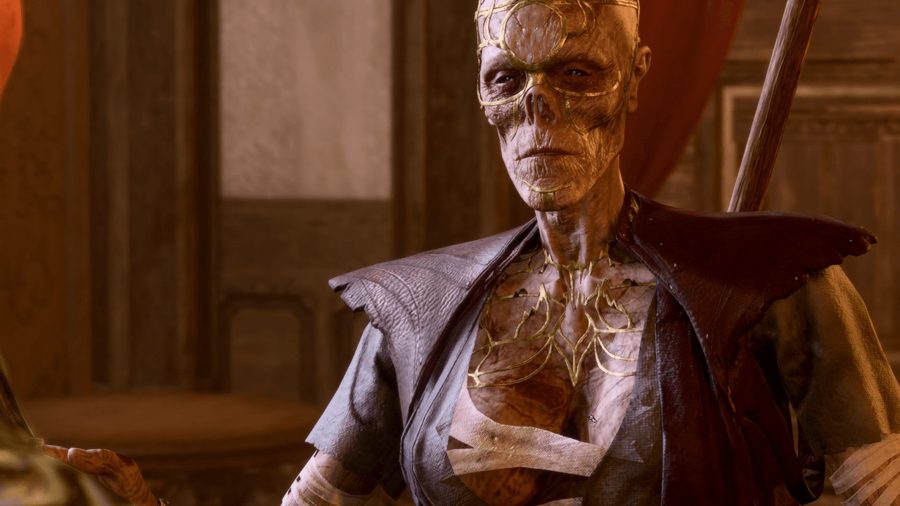
Mark Darrah, who programmed on the original Baldur's Gate and Baldur's Gate 2 before becoming executive producer on Dragon Age, believes the third game's success came from Larian's refusal to imitate the classics too closely. In his view, the studio made a great sequel precisely because it didn't try to be too much like Baldur's Gate 2.
Darrah noted that modern RPGs such as Obsidian's Pillars of Eternity feel like Infinity Engine games. They are good, but that resemblance becomes a limitation: the industry has moved on over the decades, and fidelity to the original matters less than a studio's own vision. Larian, he said, blended the spirit of the first two games with the DNA of its own Divinity series and with what CRPGs have become over 20 years.
Indeed, Baldur's Gate 3 feels closer in tone to Divinity: Original Sin 2 than to its namesakes. That earlier Larian game won PC Gamer's Game of the Year award in 2017, and its description — an RPG with fascinating characters and story playable by four people cooperatively — fits Baldur's Gate 3 just as well.
For publisher Hasbro, however, that success created a dilemma: after what Larian accomplished, nobody dares to tackle the next installment for fear of unfavorable comparisons. Darrah suggests a Fallout: New Vegas-style solution — let Larian license the Divinity Engine to another studio so it can build an oversized expansion in that world without claiming to be a full sequel.