An old work laptop beats a mini PC as a home server — the built-in battery is the reason
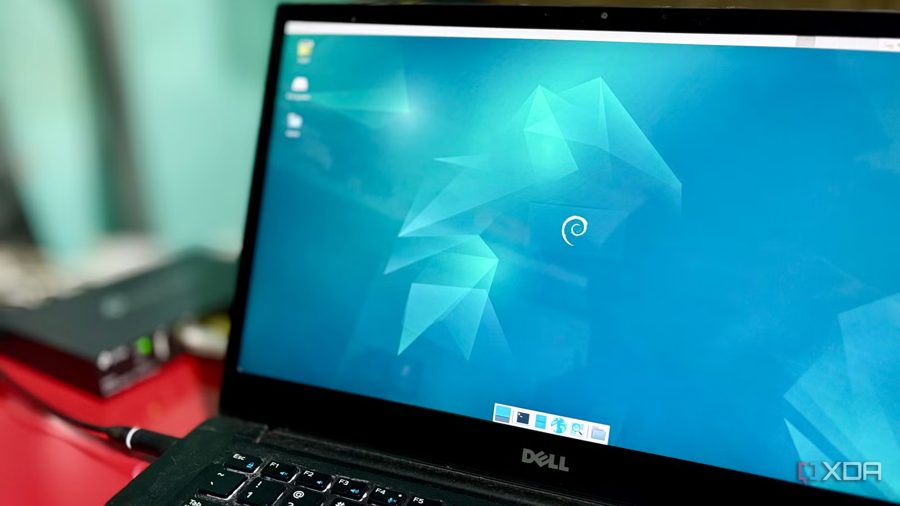
A homelab enthusiast who was about to build a new compact PC found that a retired work laptop from a relative handles the job better, and the main reason is the built-in battery. Initially, the author planned to use the laptop only temporarily until building a new system, but after the first run he changed his mind: the hardware solves problems that mini PCs cannot address.
The key advantage is protection against power interruptions. Mini PCs and desktops shut down instantly when power is lost and require a separate UPS purchase to run reliably, which takes up space and adds extra cables. A laptop with a charged battery, however, survives brief voltage spikes and outages, even if the battery is already degraded. The author notes that in the rural area where he lives, unstable electricity is common, and his home backup power system takes a few seconds to kick in.
The real value is not uptime itself but avoiding the consequences of sudden shutdowns. The author runs more than 20 application stacks on his server, some of which are critical for daily life — for example, the AdGuard Home DNS server used by every device in the household. An abrupt stop of such services can disrupt the entire home network. The laptop's battery allows the system to ride through interruptions and recover automatically once power is restored.
The author emphasizes that the goal is not to run on battery for hours but to survive short fluctuations and the gap between an outage and switching to the backup source. This approach eliminates the need for an extra UPS purchase and simplifies the home server setup.