A $1 hat against 5G: testing "radiation protection" by calling a wrapped smartphone
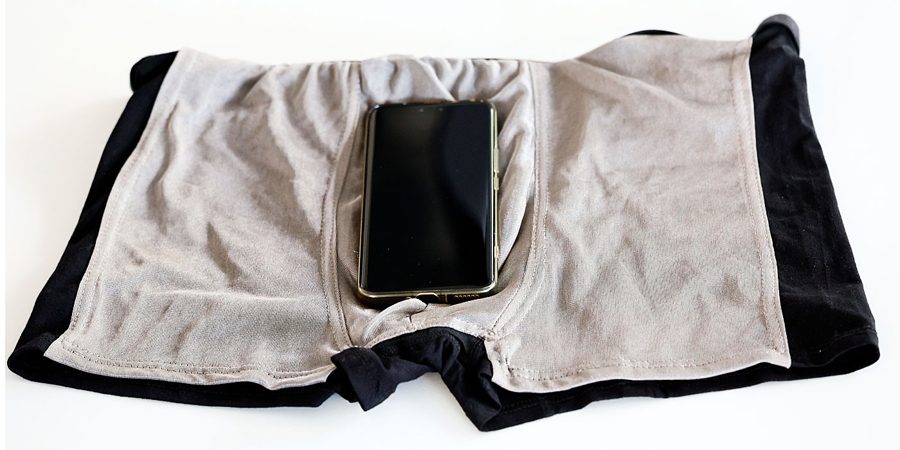
Journalists tested whether a hat, underwear, and a phone case sold as 5G protection can actually block cellular signals. The test method was simple: each item was put on or wrapped around a phone, and then they tried to call it. They also tested "Faraday fabric," regular aluminum foil, and even a colander.
The items work on the same principle as a Faraday cage — a closed loop of conductive mesh. Effectiveness depends on mesh size: it should be roughly ten times smaller than the wavelength to be blocked. In practice, other factors matter too. Instead of mesh, solid sheets of conductive metal can be used, but the structure must be grounded, otherwise a person inside risks becoming a lightning rod.
The enclosure must also be continuous: even a small gap larger than the allowed size becomes an entry point for radio waves. The same principles apply to the tested balaclava, men's underwear, phone case, fabric, and foil. As a bonus, they checked a microwave oven, a refrigerator, and antistatic film.
The most expensive purchases were the underwear and the hat at 110 and 75 rubles respectively — and these were the cheap options. A quick search showed similar pricing abroad: $35–50 for a pair of underwear or a head covering, with full suits costing hundreds of dollars.
The test started with a metal object that was at hand — expectations were low, since it has a rubber seal around the door that could let signals through. The results provided conclusions about the real effectiveness of such "protection" and the potential harm it could cause to both the wearer and their device.