75-baud modem built from discrete transistors and basic components for retro CB2 Micro computer
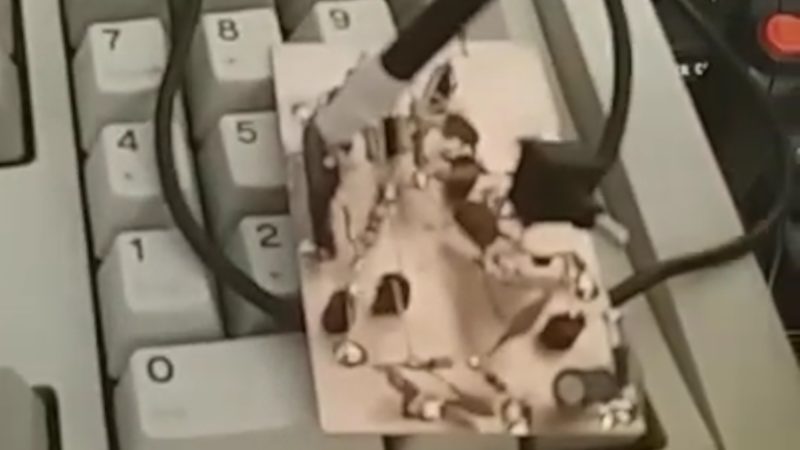
Modern modems are highly sophisticated devices designed to handle the high speeds of cable, VDSL, and fiber-optic connections. However, at lower speeds, it is entirely possible to build a modem using simple discrete components. An enthusiast known as sv3ora has done just that, creating a basic modem for the CB2 Micro computer.
The project takes advantage of a feature in the V1.54 firmware for the CB2 Micro, which enables 75 baud serial communication. This made it logical for sv3ora to build a 75 baud modem to match. As was common in the era of dial-up internet, the modem modulates data into audio signals and demodulates audio back into data. This allows the CB2 Micro to send and receive information over telephone lines, via amateur radio links, or to store and retrieve data using mediums such as cassette tape.
The device is constructed using good old BC547 transistors, along with a handful of diodes, resistors, and capacitors as supporting components. That is all that is needed to convert slow serial data into audio and back again. sv3ora provides an excellent demonstration of the hardware in action, using it to store a program on tape and later retrieve it successfully.
The project highlights the enduring appeal of old-school modem technology. The creator notes that similar retro modems have sparked interest before, and there have even been explorations into building one's own dial-up ISP. This build proves that with basic electronics knowledge, it is still possible to recreate the foundational technology of early computer networking.