Why a VR handshake felt more real than Tap to Share — and the app that did it first
A few months ago, the VR social platform Rec Room was permanently shut down. While primarily a social hub for children rather than a traditional game, the author notes one feature that stood out: adding a friend required a physical handshake. Not a button press, but actually grabbing another player's virtual hand, squeezing the controller, and shaking it in real life. This simple gesture created a powerful sense of connection, knowing that someone across the planet was performing the same physical action at the same moment. It felt profoundly real in a way that is rare in virtual reality.
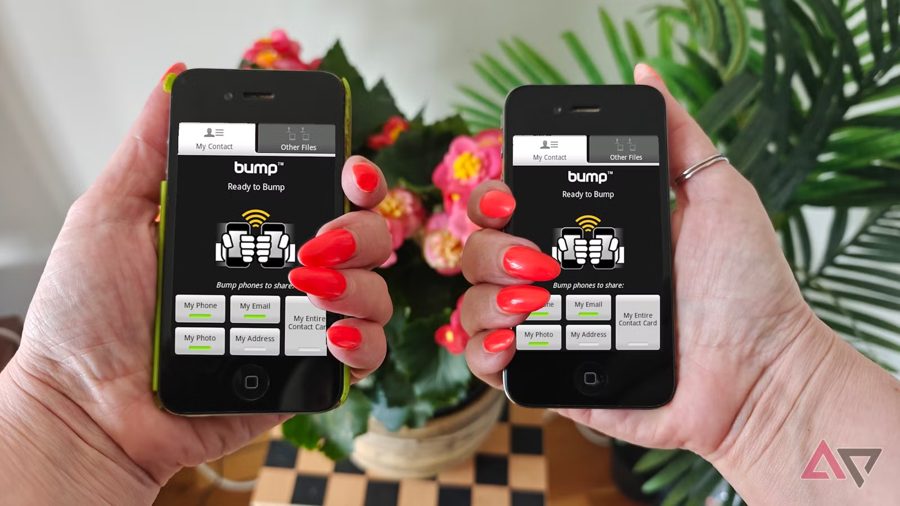
Fifteen years earlier, in the early 2010s, a mobile app called Bump achieved a similar effect. To exchange contacts or files, users simply bumped their phones together while holding them in their hands. The transfer happened automatically, without any menu navigation. Like the Rec Room handshake, this gesture added a physical layer to the interaction, making the exchange feel more meaningful than selecting a file from a list and pressing "Send."
Today, there are numerous ways to share contacts and files between phones, including features that resemble Bump's approach. However, the author argues that none of them replicate the authentic sense of human connection that these physical gestures provided. The handshake in Rec Room and the fist bump in Bump made digital interaction feel tangible, bridging the gap between virtual and physical worlds in a way that modern solutions like Tap to Share or AirDrop have not matched. The loss of Rec Room marks the end of an era where a simple gesture could transform a mundane task into a meaningful human moment.