Wallops launches to surge from 17 to 44 a year — and that's why companies demand infrastructure cash
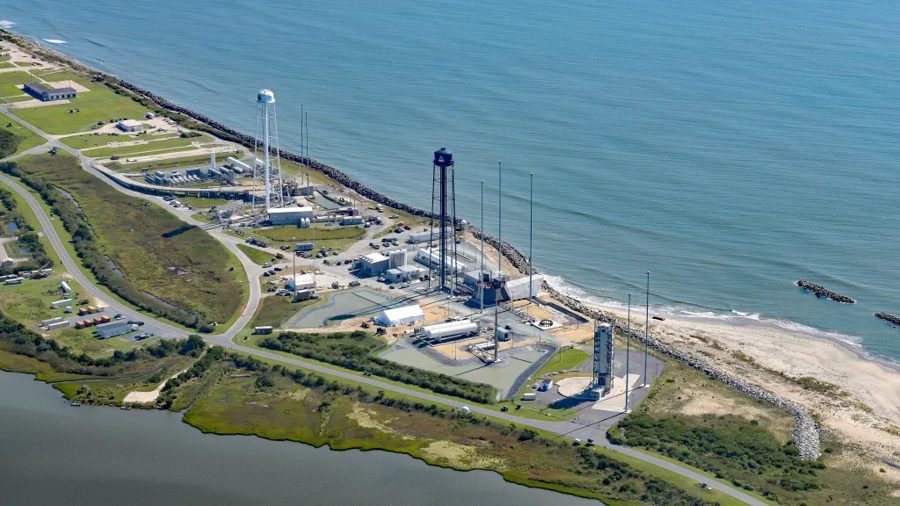
The projected surge in launches from Wallops Island, Virginia, over the coming years has prompted companies and local officials to call for infrastructure investments to support the growing activity. The discussions took place during an industry day for NASA's Wallops Flight Facility on Aug. 12, where the central theme was the expected sharp increase in launch frequency as companies like Firefly Aerospace and Rocket Lab expand operations there.
Coleman McCord, director of launch site development at Firefly Aerospace, described the anticipated growth in stark terms. "If we all get our way, we're going to be going from a couple of orbital launches out of here a year to maybe one a week," he said. Firefly plans to launch both its small Alpha rocket and the medium-class Eclipse vehicle from Wallops, with the first flights possible as soon as 2027.
A June report by NASA's Office of Inspector General projects that the number of launches from Wallops, including those from pads owned by the Virginia Spaceport Authority, will grow from 17 in 2025 to 44 in 2030. That total includes suborbital launches of sounding rockets and Rocket Lab's HASTE, a suborbital variant of its Electron small launch vehicle.
The report noted that Wallops does not face the same infrastructure challenges as the Kennedy Space Center, where even higher launch rates have strained roads, power grids, and supplies of consumables such as propellants at the center and neighboring Cape Canaveral Space Force Station. The congestion at Cape Canaveral was one of the reasons Firefly and Rocket Lab chose Wallops for their launches, according to the report.
Industry representatives and local officials argue that now is the time to invest in upgrades to benefit both the companies and their workers. The expected increase in launch cadence will require improvements to transportation, utilities, and other support systems at the facility. The discussions at the industry day centered on how to prepare the infrastructure for the coming surge in activity, with participants emphasizing that proactive investments are needed to avoid bottlenecks as launch rates climb.