US space nuclear programs hit by fuel shortage — and terrestrial demand is to blame
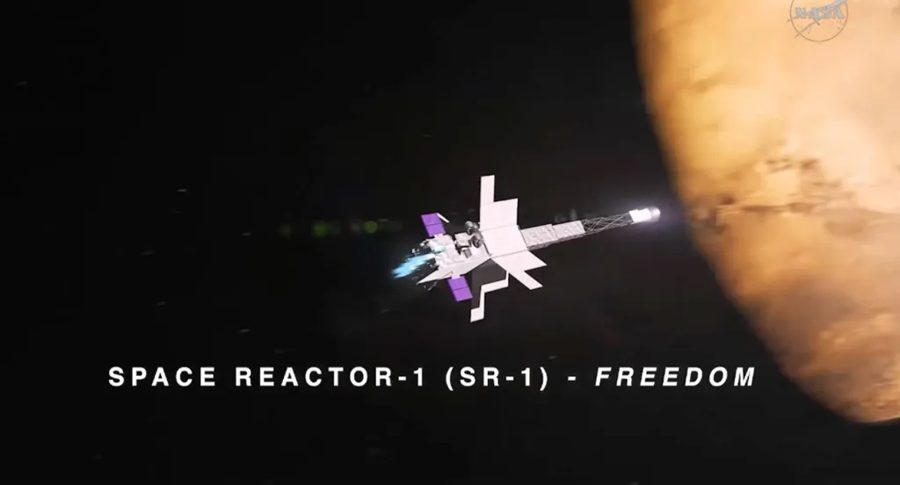
Space nuclear power and propulsion programs are experiencing a resurgence, but industry officials warn that both near-term and long-term challenges threaten their momentum. Government and industry representatives discussed these issues at a recent conference, highlighting recent progress as well as critical bottlenecks.
Key projects include NASA's Space Reactor 1 Freedom initiative, which aims to launch a nuclear electric propulsion system by the end of 2028, and the Lunar Reactor 1 effort to develop a nuclear power system for use on the Moon. These programs are part of a broader push to leverage nuclear technology for deep space exploration and lunar infrastructure.
Aaron Miles, coordinator for strategic capabilities at the White House Office of Science and Technology Policy, delivered a keynote at the Space Nuclear Industry Symposium on August 13. He described the current moment as a "generational opportunity" for space nuclear technologies, noting the convergence of growing interest in both space exploration and advanced nuclear systems. "Space nuclear is indeed having a moment," he said, citing various government and commercial efforts in the field.
However, this moment is not without significant issues. Miles pointed to a key element of a space nuclear policy document published by OSTP in April, which directed the Department of Energy to conduct a 60-day assessment of industry readiness to produce up to four reactors for space nuclear applications over the next five years. "The bottom line is that the U.S. does indeed have the capability," he said, but he emphasized several risks that could undermine the timeline.
The most pressing concern is the lack of a dedicated production line for ceramic high-assay low-enriched uranium (HALEU) fuels. HALEU is a likely power source for space nuclear reactors, and its unique properties make it essential for compact, high-performance systems. However, the U.S. currently lacks a robust supply chain for this material, which is also in high demand for terrestrial advanced nuclear reactors. This civilian demand creates direct competition for the limited HALEU supply, potentially delaying space projects.
Industry officials argue that without a coordinated effort to expand HALEU production capacity, both space and terrestrial nuclear programs could face delays. The challenge is compounded by the need for specialized manufacturing processes and regulatory approvals for space-grade nuclear fuels. The situation underscores a broader tension between ambitious space nuclear goals and the realities of industrial capacity.