Tesla to put Starlink in every car it builds, starting with the Cybercab robotaxi
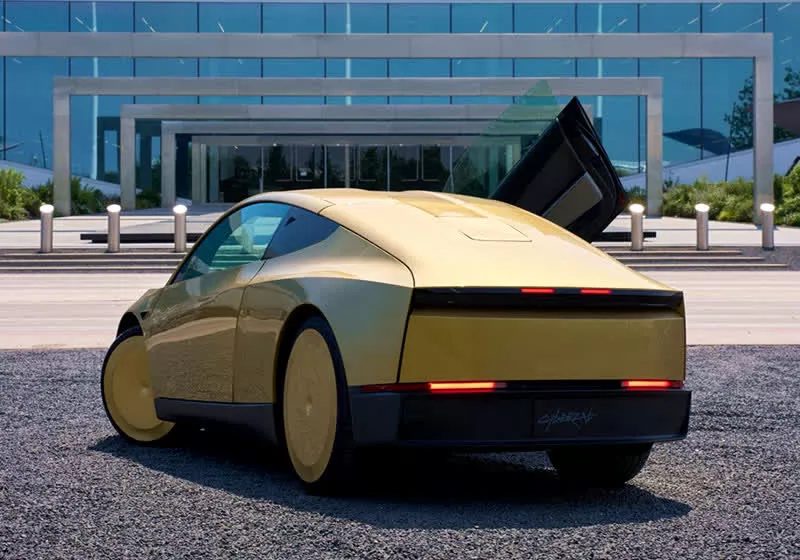
Tesla has begun integrating Starlink satellite internet into its vehicles, and the first model to get it is the Cybercab robotaxi, which has no steering wheel or pedals. The company posted photos of the car with a built-in Starlink antenna on its Tesla Robotaxi account.
The antenna sits in the rear section of the roof, above the taillights, and is covered by a rectangular panel rather than being exposed like a typical consumer dish. Tesla had previously shown the planned capability at its showroom in San Jose. The Cybercab uses the newly launched Starlink V5 antenna, rated for download speeds of up to 375 Mbps.
The main goal is reliable connectivity for a vehicle designed to operate without a driver. Passengers are expected to get in and let Tesla's onboard software handle the entire trip. Satellite service would keep the car connected in areas where cellular coverage is weak or nonexistent, which matters for navigation, customer support, and managing a large robotaxi fleet.
Tesla's vice president of AI software, Ashok Elluswamy, said Starlink is not essential for the vehicle's safe operation. Connectivity is mainly for navigation, customer service, and fleet management, he said.
Elon Musk has highlighted a different use for the connection: entertainment. Last month he wrote that passengers could watch 4K streaming video while the Cybercab takes them anywhere they want. On Tesla's earnings call, Musk said a robotaxi service needs connectivity that does not depend solely on local wireless networks, noting that even in Silicon Valley there are places with terrible or nonexistent cellular coverage.
On Sunday, Musk went further, writing that all Tesla cars will have Starlink in the future, calling it the only way to get super high bandwidth to billions of vehicles. That statement could refer to the dish-based system shown on the Cybercab or to the planned Starlink Mobile service.