SpaceX to launch 32 pharmaceutical labs into orbit for drug production in microgravity
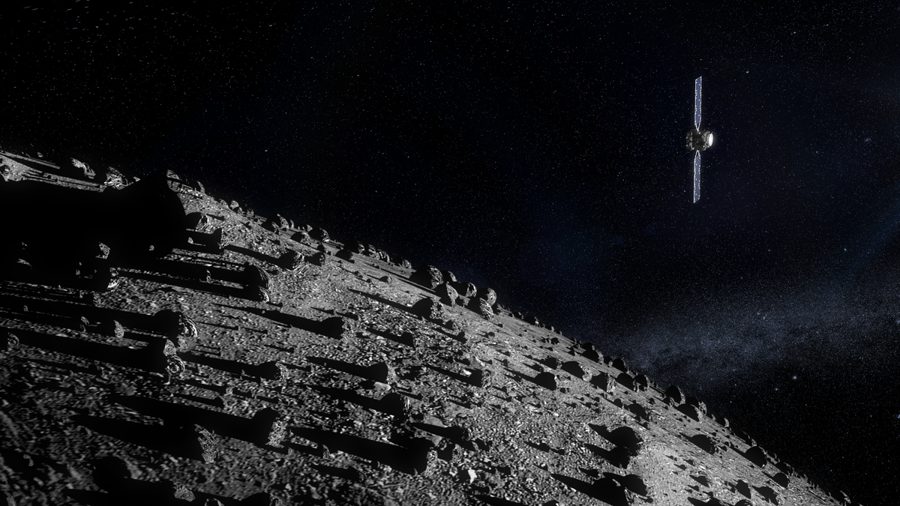
SpaceMD, a subsidiary of American space infrastructure developer Redwire, has signed a contract to conduct pharmaceutical research aboard SpaceX's new spacecraft Starfall. The mission is scheduled for launch in 2028, according to Interesting Engineering.
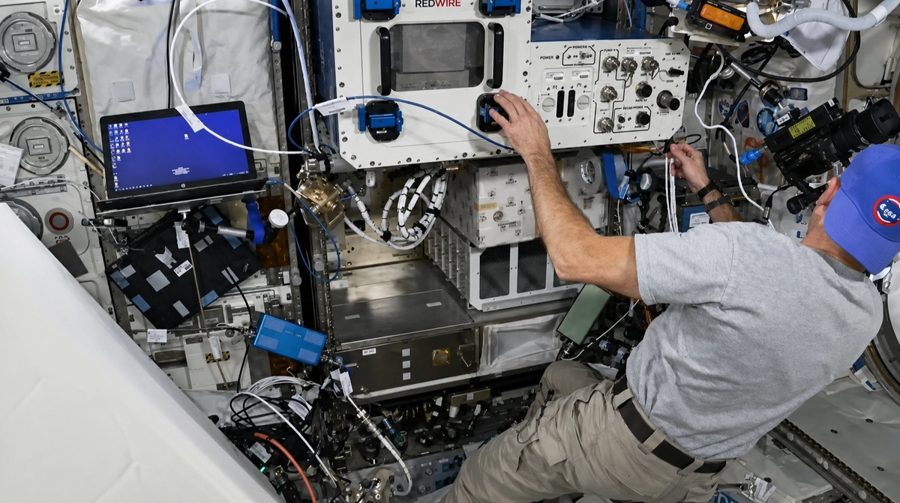
During the flight, the spacecraft will deliver up to 32 specialized PIL-BOX containers designed for space operations. They will serve as orbital laboratories for pharmaceutical companies, biotech firms, and university researchers.
SpaceMD is developing a new version of PIL-BOX that will optimize experiments aboard Starfall. The system will provide controlled exposure of samples to microgravity for a specified period, after which they will return to Earth for analysis.
Microgravity alters the behavior of biological materials and chemical compounds. In pharmaceutical research, this enables the formation of larger and more uniform drug crystals than on Earth. Studying such structures helps better understand molecules, refine formulas, and create more effective medications.
Starfall is designed for regular and convenient access to microgravity for manufacturing, scientific experiments, and technology testing. Combining the spacecraft with Redwire equipment could significantly increase the volume and frequency of commercial space research.
The mission continues Redwire's years of research aboard NASA spacecraft, including the shuttle and the International Space Station. Since November 2023, 54 PIL-BOX systems have been delivered to orbit, with 12 more prepared for launches this fall and winter.
SpaceMD has already used its laboratories to crystallize 45 different compounds, including insulin and molecules used in treating cancer, cardiovascular diseases, obesity, and diabetes. The planned 2028 mission will allow multiple studies with different configurations and durations to run simultaneously.
The contract also demonstrates the push to create commercial research platforms beyond the ISS. This enables companies to independently control schedules, experiment conditions, and sample return timelines. For SpaceMD, it marks a shift from episodic opportunities to a regular pharmaceutical development service in space, potentially shortening research cycles.