Jaguar XJ40 turns 40: the last truly independent British Jag that nearly died after 14 years of development
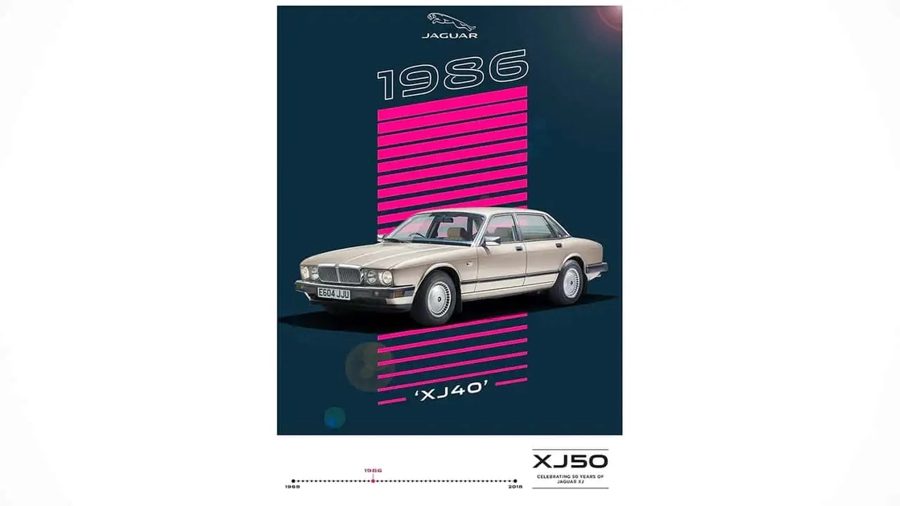
In October 1986, Jaguar unveiled the XJ40 — the XJ generation that was meant to replace the legendary Series III, which had been in production since 1968. The XJ40 holds a special place in the brand's history: it is the last Jaguar developed entirely on its own before Ford took over. The project even had input from the company's founder, Sir William Lyons, who advised the design team and approved the final prototype shortly before his death in 1985.
The road to production was painfully long. The first sketches appeared as early as 1972, but the oil crisis and chronic financial troubles at British Leyland, Jaguar's parent company at the time, stretched development to 14 years. When management finally allocated a budget of £80 million (roughly $104 million) in 1981, the new CEO John Egan decided to wait even longer to polish the design and eliminate early flaws. Engineers managed to reduce the number of body panels by a quarter, making the car lighter and stiffer.
Technically, the XJ40 was a giant leap forward. Inside, it featured a digital dashboard capable of displaying up to 25 warnings — a revolution for its time. However, the project faced internal sabotage: production workers deliberately created problems to prove that the new technology was unreliable. This caused further delays, but the car eventually made it to market. The XJ40 remains a symbol of Jaguar's last attempt to stay independent, proving that British engineering could still compete without outside help — even if it took nearly a decade and a half to get there.