How JPL photographed the Moon up close in 1964 — the Ranger crashes that made history
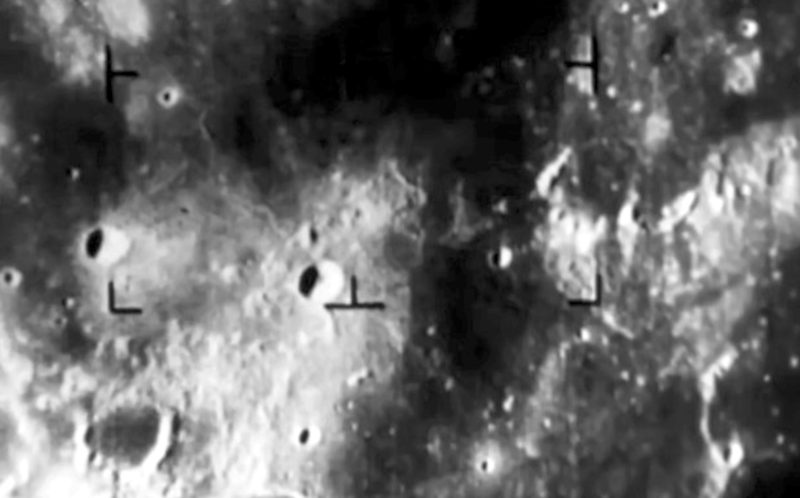
Long before humans set foot on the Moon, engineers faced a challenge no less daunting: getting a probe close enough to the lunar surface to send back pictures. The 1964 film "Lunar Bridgehead" shows how Jet Propulsion Laboratory operators guided the Ranger spacecraft into a hard crash on the Moon, completing its mission.
The Ranger program began with a string of failures. The first five probes never reached the Moon, and the sixth, although it arrived, could not activate its cameras. Success finally came with Ranger 7, followed by two more accomplished missions. Ranger 8, notably, impacted the Sea of Tranquility — the same region where Neil Armstrong's Eagle would later land.
Given the state of technology at the time, achieving such a feat seems almost miraculous. The film's footage captures magnetic tape drives, teletypes, paper tape readers, and massive dish antennas. The probe's six onboard cameras had to warm up before use — an unfamiliar step for anyone accustomed to modern electronics.
As expected, the cameras did not survive the impact. The images they transmitted look crude by today's standards, yet in 1964 they amazed the public following the space race. Just five years after this triumph, Armstrong walked on the Moon, underscoring how rapidly spaceflight advanced. Still, as experience shows, landing on the Moon remains a difficult task even with modern tools.