External HDDs in 2026: why terabytes on your desk beat cloud subscriptions
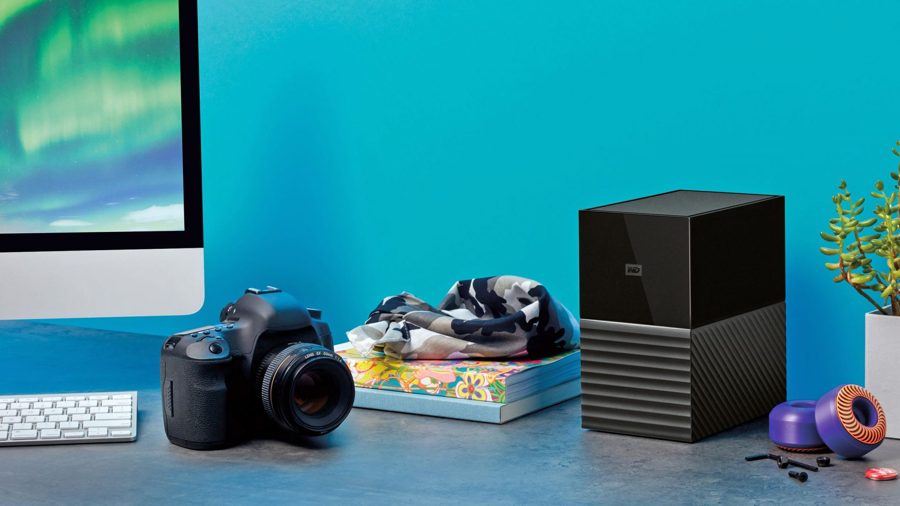
External hard drives remain a relevant storage solution in 2026, despite the growing popularity of cloud services. They offer massive storage capacity, freeing up space on a computer's internal drive and enabling regular backups of important files. Ease of use is a key advantage: plug in the cable, and the device is ready to work, no specialized knowledge required.
The choice between a desktop and a portable drive, however, depends heavily on the user's lifestyle. For those who travel frequently and work on the go, compact portable drives or external SSDs are a better fit. They are smaller in size and do not require a separate power outlet. Desktop hard drives, on the other hand, are designed for stationary use, offering maximum storage capacity at a lower cost per gigabyte.
The central question for users is whether a classic hard drive can protect data more reliably than a collection of cloud subscriptions. In situations where access to a remote server might be suddenly blocked or internet speed drops to zero, a physical drive remains an autonomous and predictable storage solution. Thus, in 2026, desktop drives have not become obsolete; they have retained their niche for those who value control over their data and do not want to depend on a stable internet connection.
The main advantage of a physical drive is its independence from external factors. Cloud services require a constant, high-speed connection and a paid subscription, and they can be subject to service outages, data caps, or even policy changes. A local hard drive, once purchased, provides unlimited access to your files at any time, without recurring fees or bandwidth limitations. This makes it especially valuable for photographers, videographers, and anyone working with large media files or sensitive data that should not be stored online.
However, the decision is not binary. Many users combine both approaches: they use a local drive for primary storage and backups, and a cloud service for remote access or sharing specific files. This hybrid strategy offers the best of both worlds, but it requires a clear understanding of the strengths and weaknesses of each option. For those who prioritize security, privacy, and reliability above all else, a local external hard drive remains the most straightforward and trustworthy choice in 2026.