Drone built from field improvisation: Kolibri-i10 interceptor gets official military status
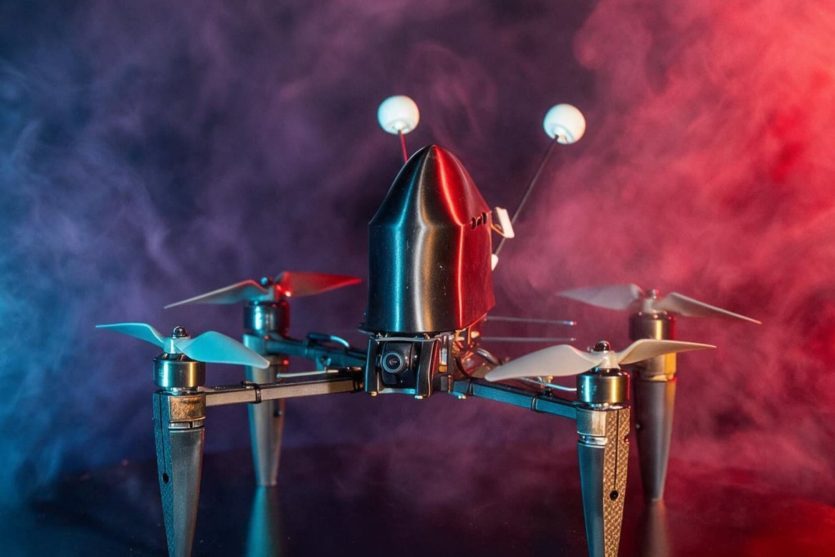
The Ministry of Defense has officially codified the Kolibri-i10 interceptor drone produced by TAF Industries. What makes this decision unusual is the drone's origin: it was not developed in a corporate laboratory but improvised by soldiers in field conditions using whatever was at hand.
By the time TAF Industries formally announced the TAF-I10 in February 2026, troops had already logged more than 350 confirmed aerial kills attributed to the "Kolibri-10" — simply by swapping propellers and chasing down Shahed drones on their own. The codification marks official recognition that a field improvisation has matured into a serial production item.
The backstory is essential to understanding what the Kolibri-i10 really is. TAF Industries runs a program called TAF Bonus, under which military personnel earn points for verified video footage of enemy targets struck by Kolibri drones, redeemable for equipment. Analyzing TAF Bonus statistics, the company discovered that within a few months soldiers had accumulated hundreds of confirmed kills by using the drones not for their intended purpose but as interceptors.
The Kolibri was originally designed as a reconnaissance platform. However, in the face of massive enemy drone deployment, troops found a new role for it. After reviewing combat data, the company officially presented the interceptor as a separate model, the TAF-I10, and now the Ministry of Defense has granted it an official designation.
The decision paves the way for serial procurement and expanded production. For TAF Industries, this means transitioning from a niche product born of soldier ingenuity to a fully recognized piece of military equipment approved at the state level. The Kolibri-i10's journey — from a makeshift field solution to an officially codified weapon system — illustrates how quickly battlefield innovation can reshape the defense industry's product lines.