CXMT to Drive 11.3% of DRAM Growth in 2026, but Share Slips to 6.9% by 2027
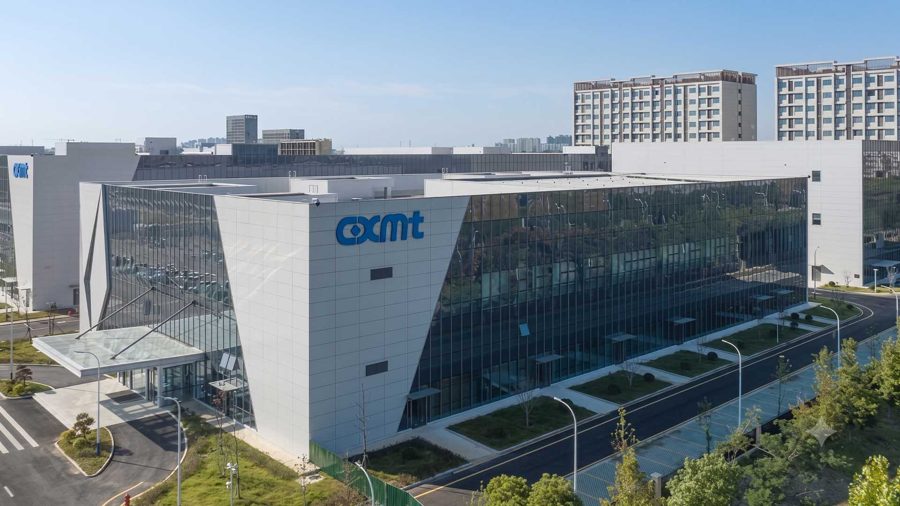
China's CXMT, despite surging demand and aggressive capacity expansion plans, is unlikely to make a lasting impact on the global DRAM market, according to a research report from South Korea's Hanwha Securities. The company has carved out a niche in the global memory market as the AI boom strains production capacity of key players. Its products are primarily aimed at domestic Chinese firms, though multiple reports indicate Apple is also interested in buying CXMT's memory chips.
The ongoing memory market boom has transformed CXMT's fortunes. Data shows the firm became the world's fastest-growing memory manufacturer by revenue in the second quarter. CXMT's Q2 revenue surged 716% year-over-year, fueled by domestic demand and capacity expansion.
However, even as CXMT's role in the global memory market grows and the firm plans further capacity increases, it may not be enough for sustained impact on the global DRAM market, the Hanwha Securities analysis suggests. The report examines projected supply sufficiency ratios for the industry in 2026 and 2027.
According to the findings, 2026 will be a strong year for CXMT in terms of contributing to global memory supply growth. While CXMT currently accounts for 6.7% of the global DRAM market, it will contribute 11.3% of the overall growth in 2026. However, Hanwha notes that the company's contribution to growth will decline sharply to 6.9% by 2027 — below its market share. The reason is twofold: CXMT's own expansion pace is slowing, and demand from Chinese customers is nearing saturation. Meanwhile, global leaders Samsung and SK Hynix will continue ramping up production of advanced HBM memory, essential for AI accelerators. Analysts point out that CXMT focuses on older process nodes (1Y and 1Z nm) and cannot compete in the HBM segment, where Korean giants dominate. This limits CXMT's long-term growth potential and prevents it from challenging the established DRAM hierarchy.