Amazon aims to deliver by drone in 30 minutes to 500 US cities by end of 2026
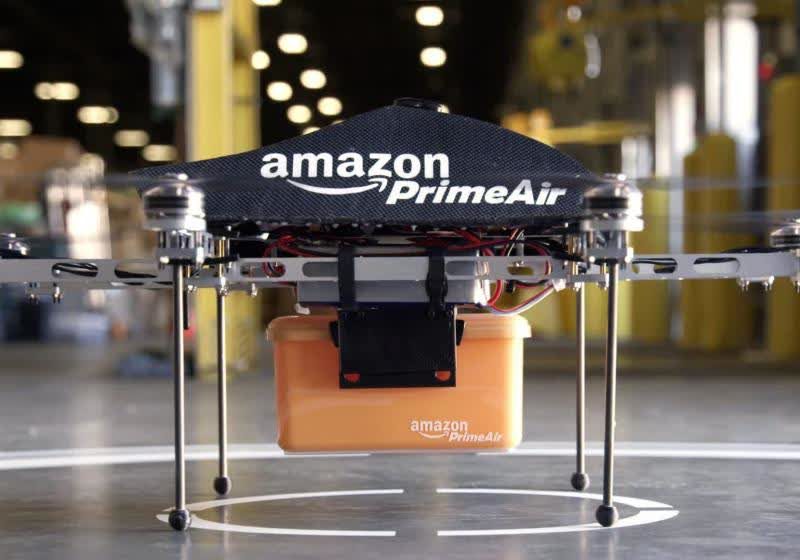
Amazon has announced plans to expand its Prime Air drone delivery service to 500 cities and towns across the United States by the end of 2026. The retail giant promises to deliver packages in under 30 minutes to tens of millions of Americans.
The expansion would increase the current drone delivery footprint sixfold. Prime Air will soon launch in the Chicago, Illinois; Syracuse, New York; Cleveland, Ohio; Atlanta, Georgia; and Boise, Idaho metropolitan areas, with more communities to follow later this year.
Nearly 13 years ago, on December 1, 2013, Jeff Bezos first unveiled the Prime Air vision on the CBS program 60 Minutes, showcasing prototype drones. Bezos predicted the service would be operational within four to five years. That estimate proved wildly optimistic.
The Federal Aviation Administration (FAA) did not grant Amazon permission to begin testing in US airspace until 2015, and even then, the aircraft had to remain within sight of a pilot and observer. Amazon received a Part 135 air carrier certificate, allowing it to carry packages beyond the operator's visual line of sight, in 2020 — two years after Bezos' original deadline had passed.
Prime Air also suffered internal setbacks within Amazon. Just weeks after receiving the 2020 approval, the company laid off some staff from the division. In 2023, Amazon shut down drone delivery trials in California, and in early 2024, it closed the UK unit. In January 2024, Amazon also laid off employees from Prime Air after drones encountered problems during testing in Oregon.
Despite these challenges, Amazon continues to invest in the technology. In 2023, the company introduced the new MK30 drone, which is lighter, smaller, and capable of flying in more challenging weather conditions than previous models. In 2024, Prime Air began deliveries in Phoenix, Arizona, and later expanded to Tolleson, Texas. In 2025, Amazon announced plans to launch drone delivery services in Italy, the United Kingdom, and Japan.
The company's long-term vision involves integrating drones into a broader logistics network that includes delivery vans, robots, and autonomous vehicles. Amazon has also been testing drone delivery in rural areas, where distances between homes are greater and traditional delivery is less efficient. The company believes that drones will eventually handle a significant portion of its package deliveries, reducing costs and improving speed.
However, regulatory hurdles remain. Amazon must obtain approval from the FAA for each new city and drone model, and local governments may impose additional restrictions. The company has also faced criticism from privacy advocates concerned about drones flying over residential areas. Amazon has responded by stating that its drones fly at altitudes above 200 feet and are designed to avoid people and pets.